
Designing a Longer Life: Lessons from the Blue Zones
 Share on LinkedIn
 Share via Email
 Save as PDF
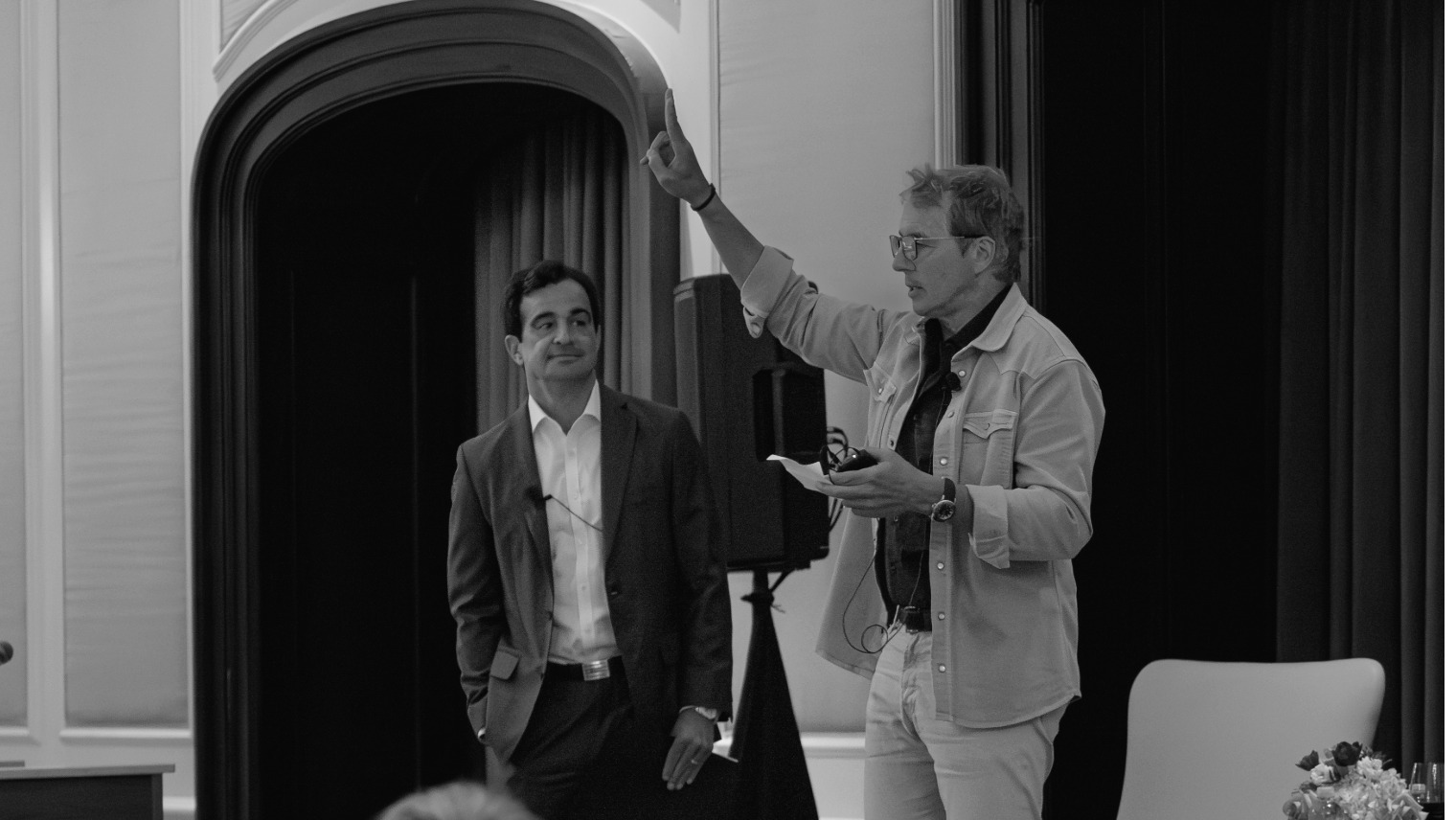
Key takeaways from Tolleson’s conversation with Dan Buettner, founder of Blue Zones.
Longevity is often discussed as something we inherit. But during Tolleson’s recent private event with Dan Buettner, National Geographic Fellow, bestselling author, and founder of Blue Zones, his message was refreshingly practical: while genetics matter, the stronger lever is the life we design day to day.
Blue Zones are regions of the world where people consistently live longer and healthier lives, often reaching age 90 or 100 at unusually high rates. The five “original” Blue Zones most referenced are Sardinia (Italy), Okinawa (Japan), Ikaria (Greece), the Nicoya Peninsula (Costa Rica), and Loma Linda (California).
At the heart of Dan’s Blue Zone work is an encouraging theme: many of the habits associated with longevity don’t require supplements, intense workouts, or heroic willpower. Instead, these communities tend to make healthy choices by default, through environment, relationships, and routines.
1) Environment beats willpower
One of the most repeated ideas from the evening was deceptively simple: shape your surroundings, and you shape your outcomes. Dan emphasized that people in Blue Zones ensure well‑being through walkable communities, daily movement, and norms that make the healthy choice the easy choice. Long‑lived populations aren’t necessarily “trying harder;” they are living within systems that support better habits.
2) Move naturally, without making it a workout plan
In Blue Zones, movement is built into daily life: walking, gardening, cooking, and errands done on foot. Buettner stressed “constant motion” over “gym time,” noting that many long‑lived communities are mechanically “inconvenienced” in ways that require more natural movement. Physical activity extends well into older age, not as exercise, but as a way of living.
3) Eat whole foods and make home the advantage
Dan emphasized whole‑food, plant‑forward eating, with a caution about ultra‑processed foods becoming embedded in modern life. Blue Zone diets are typically built around vegetables, beans and legumes, whole grains, and modest portions. He also noted that eating out frequently can add roughly 300 more calories per meal, reinforcing a simple strategy: cook at home more often and make the easy meal the healthy meal.
4) Community isn’t a “nice-to-have”—it’s a health strategy
One of the most striking points Dan shared was that loneliness can meaningfully shorten life expectancy. Research strongly supports the link between social connection and improved survival. Buettner encouraged curating your “core five;” the people you spend the most time with because relationships can either reinforce healthy habits or quietly undermine them.
5) Purpose, sleep, and stress “downshifts” compound over time
Dan highlighted three everyday longevity levers that are often overlooked:
- Purpose: Having language for purpose: what you love, what you are good at, and what you can contribute.
- Sleep: Roughly seven hours per night, with naps as a natural reset.
- Stress relief: Regular “downshifts” such as prayer, naps, pets, and supportive social circles.
These ideas align with the widely referenced Blue Zones “Power 9” and reinforce that longevity is built through consistent behaviors, not quick fixes.
6) When a city designs for health, outcomes can shift
One of the most concrete examples shared during the evening was how Blue Zones initiatives have been applied in U.S. cities to promote walkability, social connection, and healthier defaults. Dan pointed to Fort Worth, where policy and built‑environment changes, such as expanded bike lanes, were paired with intentional efforts to strengthen social connections through community programs and shared activities.
Together, these initiatives reinforced that wellbeing is built not only through movement and access, but through belonging.
A simple “Blue Zones” checklist you can start this week
These ideas are intentionally practical—small shifts that compound over time.
- Make movement automatic such as walk after dinner, visit a park that is farther away, or have walk‑and‑talk meetings.
- Eat plant‑forward by default and build meals around vegetables and beans, while reducing ultra‑processed foods.
- Strengthen your core relationships and schedule time for recurring connections.
- Protect sleep and practice a downshift with naps, prayer or quiet time, evening wind‑down.
- Name your purpose in one sentence, using one weekly action to reinforces it.
Longevity, as Dan shared, isn’t only personal; it’s environmental.
At Tolleson, we see this same principle guide lasting outcomes for families: when values, relationships, routines, and resources are intentionally designed, well-being follows. Much like Blue Zone communities shape environments that support healthy choices, families can shape their own; how they spend time, care for one another, and steward resources to support a life of meaning and connection across generations.
We are honored to continue to curate exclusive events for our wealth management clients, thoughtfully designed over engaging topics so we can connect with one another in an inviting, enriching setting. Gatherings like this are designed to deepen connections and offer value beyond our core services.
Note: Health‑related content is for general educational purposes and is not medical advice. Individuals should consult their healthcare professionals regarding personal health decisions.